Solar Company in Pakistan: Your 2026 Installation Roadmap
Choosing a solar company in Pakistan and moving from idea to a working rooftop system involves more steps than most people expect. In 2026, the process has matured, but success still depends on planning each stage carefully. This roadmap walks you through the full journey, from your first site assessment to switching on clean, self-generated power.
Going solar is not a single purchase but a sequence of decisions. Skip a step or rush the design, and you risk underperformance. Follow the roadmap below, and you will end up with a system sized correctly, installed safely, and ready to cut your bills for decades.
Step One: Assess Your Energy Needs
Everything starts with your electricity usage. Gather twelve months of bills and note your monthly units consumed. This baseline drives every subsequent decision about panel count, inverter capacity, and battery sizing.
Also consider your future plans. Adding an air conditioner, expanding your home, or buying an electric vehicle all raise demand. Designing with headroom now saves an expensive upgrade later.
The U.S. Department of Energy recommends starting any solar project with a thorough energy audit, and that principle applies just as strongly to Pakistani homes and businesses in 2026.
Understanding Your Roof
Your roof is the foundation of the whole system. Its orientation, tilt, available area, and shading all shape how many panels you can fit and how much energy they produce. South-facing surfaces generally yield the most output in Pakistan.
A good installer inspects the roof structure to confirm it can bear the added weight. Older buildings sometimes need reinforcement, which is far cheaper to address before installation than after.
Step Two: Choose Your Components and Supplier
With your needs mapped, it is time to select equipment. Efficient panels, a suitable hybrid inverter, and, if desired, a lithium battery form the core. The right supplier helps you match these components so nothing bottlenecks the system.
Partnering with a reputable solar company in Pakistan ensures your design accounts for local heat, dust, and grid behavior. Local knowledge turns a generic parts list into a system tuned for real conditions.
Comparing Grid-Tied and Hybrid Setups
One key decision is whether to include battery backup. Grid-tied systems cost less and suit areas with stable supply. Hybrid systems add storage for outages and greater independence. The table clarifies the trade-offs.
| System Type | Backup During Outage | Upfront Cost | Best For |
|---|---|---|---|
| Grid-Tied | No | Lower | Stable-supply areas |
| Hybrid | Yes | Higher | Frequent load-shedding |
| Off-Grid | Full independence | Highest | Remote locations |
When browsing options, review the solar panels in Pakistan that fit your chosen setup, paying attention to efficiency and warranty rather than price alone.
Step Three: Installation and Commissioning
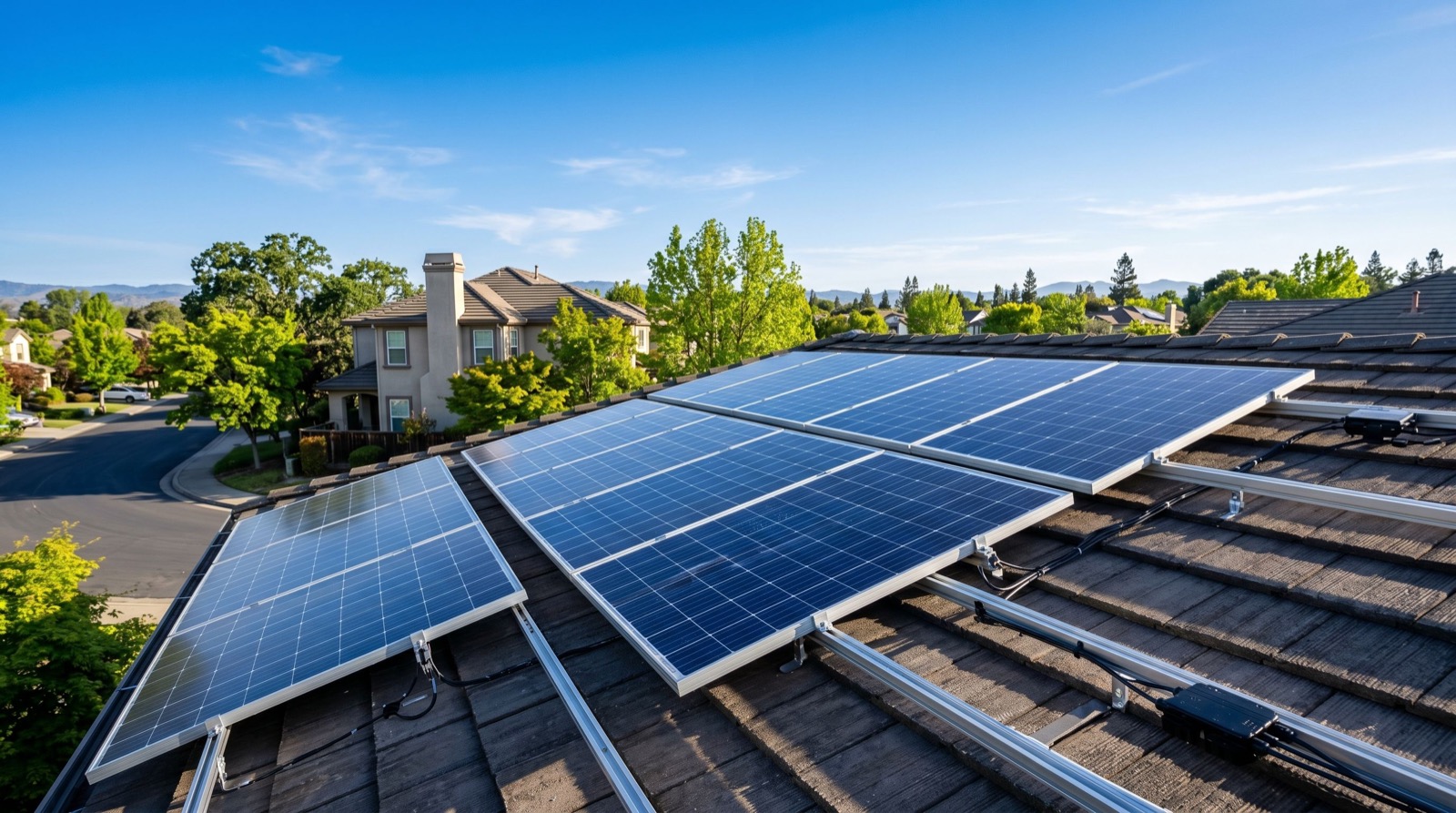
With equipment secured, installation begins. Trained technicians mount the panels, wire the inverter, connect any batteries, and add protection devices. Quality workmanship at this stage directly affects long-term performance and safety.
Once assembled, the system undergoes commissioning. Installers verify voltages, test the inverter, and confirm everything operates within specification before handing it over to you.
- Panels are mounted at the optimal tilt for maximum yield.
- Wiring and protection meet electrical safety standards.
- The inverter is configured and tested under load.
- Monitoring is set up so you can track production.
Net Metering and Paperwork
If you want to export surplus power to the grid, net metering registration is the final formal step. Your supplier typically guides you through the application, which lets you earn credit for excess generation.
Choosing an experienced local team smooths this bureaucratic stage, since they know the documentation and utility requirements well and handle them efficiently on your behalf.
What Happens After Installation?
Your responsibility does not end at switch-on. Routine care keeps output high. Cleaning dust off panels every few weeks, especially in dry seasons, prevents noticeable efficiency losses in Pakistan’s dusty climate.
Monitoring apps let you spot problems early. A sudden drop in production signals a fault worth investigating. Regular attention ensures your system delivers its promised savings year after year.
- Clean panels periodically to remove dust and debris.
- Check monitoring data for unexpected output drops.
- Schedule occasional inverter and battery inspections.
- Keep warranty and installation documents safe.
Common Installation Mistakes to Avoid
Even good equipment underperforms when installation is rushed or poorly planned. Learning from common mistakes helps you steer your project clear of costly regrets. Awareness is your best defense.
One frequent error is undersizing the inverter relative to the panel array, which caps output during peak sun. Another is placing panels where trees or nearby buildings cast afternoon shade, quietly stealing production every day.
- Undersizing the inverter and losing peak generation.
- Ignoring shading from trees, walls, or water tanks.
- Skipping roof reinforcement on older structures.
- Using thin cabling that wastes energy over long runs.
Discuss these risks openly with your installer during planning. A competent team anticipates them and designs around each one, protecting the yield you paid for.
Measuring Real Performance Over Time
Once your system runs, judge it by real output, not brochure promises. Compare your monitoring data against the estimate your installer provided. Small seasonal variation is normal, but a persistent shortfall deserves attention.
Track your electricity bills month over month to confirm the savings materialize as projected. This habit not only reassures you that the investment works but also flags any developing fault early. Over a full year, the numbers tell an honest story about whether your system and installer delivered what they promised, giving you confidence for any future expansion.
Frequently Asked Questions
How long does a solar installation take?
Most residential systems are installed within one to three days once equipment arrives. Larger commercial projects take longer, but careful planning keeps the timeline predictable and disruption minimal.
Do I need permission to install solar?
Basic rooftop systems usually require minimal approval, but net metering does involve a formal application with your utility. A good installer handles this paperwork for you.
How much maintenance does a solar system need?
Very little. Periodic panel cleaning and occasional inverter checks are usually enough. Systems are largely passive, which is one reason solar is so appealing for busy households.
Can I expand my system later in 2026?
Yes, if you plan ahead. Choosing an inverter with spare capacity lets you add panels or batteries as your energy needs grow without replacing core equipment.
Conclusion
Working with the right solar company in Pakistan transforms a complex project into a smooth, rewarding journey in 2026. By assessing your needs, choosing matched components, ensuring quality installation, and maintaining the system, you secure decades of clean, affordable power. Ready to follow this roadmap and take control of your energy future? Connect with an experienced solar team today and start your path toward lower bills and reliable, self-generated electricity.