
Queue Management System: 7 Wins for Clinics and Branches in 2026
If your waiting room feels tense by mid-morning, a modern queue management system is the quickest fix you can deploy in 2026. Instead of a crowded counter and a stack of paper tokens, patients and customers get a digital ticket, a clear estimated wait, and a fair place in line. This article breaks down seven concrete wins — from calmer waiting rooms to sharper staff planning — and shows how the right hardware ties it all together.
Our team has installed flow systems in busy out-patient clinics and multi-counter service branches, so every point below comes from real rollouts, not theory.
What a queue management system actually does
At a basic level, the platform issues tickets, routes people to the correct service point, and displays progress on screens. Underneath, it is quietly logging every interaction so managers can see where time is lost. That data is the difference between guessing and knowing.
Patient experience is now a measured health outcome, not a soft metric. The World Health Organization highlights responsiveness and reduced waiting as core markers of quality care — and a digital queue is the simplest lever to pull.
Seven wins you can measure
- Shorter perceived waits: a visible position and ETA calms anxiety instantly.
- Fair service order: no more disputes over who arrived first.
- Priority lanes: elderly, disabled, and urgent cases routed correctly.
- Live staffing data: open another counter before a line builds.
- Remote check-in: patients wait in the car or lobby, not a cramped hall.
- Cleaner reporting: per-service and per-agent metrics for audits.
- Higher satisfaction scores: a direct boost to online reviews and loyalty.
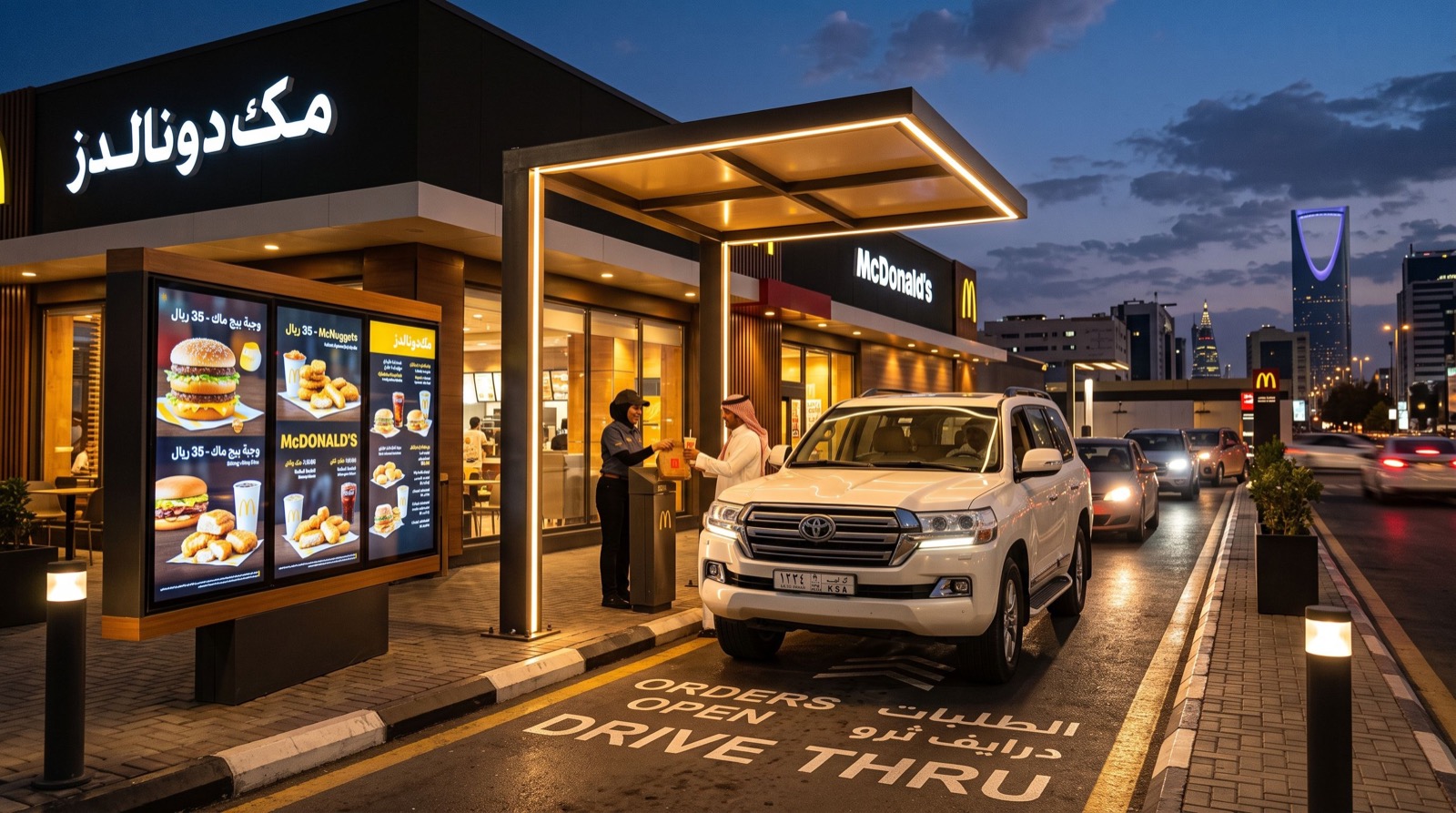
Regional groups often start small, then expand. A clinic chain might pilot one site, prove the gains, and scale regionally. The same architecture powers a large queue management system in saudi arabia, so the lessons travel well across borders and sectors.
The hardware layer: why devices matter
Software alone is not enough. Kiosks, displays, and identity terminals turn the logic into a real-world experience. For staff attendance and secure access, many facilities add fingerprint terminals at the entrance so supervisors know exactly who is on the floor.
Procurement teams in South Asia frequently compare Finger scanner devices prices in pakistan before standardizing on one model across sites. Locking in a single, well-supported device keeps spares, training, and firmware simple — a small decision that saves real money over three years.
Accuracy you can trust
Biometric reliability is not marketing fluff; it is testable. The U.S. National Institute of Standards and Technology publishes benchmark testing for fingerprint matching accuracy, giving buyers an independent reference point when a vendor quotes false-acceptance and false-rejection rates. Ask for a device that aligns with those published standards.
Comparing deployment options
Different sites need different builds. Use this comparison to scope your project before you request quotes.
| Setup | Best for | Check-in method | Typical go-live |
|---|---|---|---|
| Single kiosk | Small clinic, one service type | Touch kiosk | 1 week |
| Multi-counter | Bank or large clinic | Kiosk + QR + SMS | 2–3 weeks |
| Mobile-first | Telecom or retail chain | Phone app / web ticket | 2 weeks |
| Enterprise multi-site | Hospital or branch network | All channels + central dashboard | 1–3 months |
A rollout checklist
- Document every service and its average handling time.
- Capture a one-week baseline before launch.
- Standardize on one fingerprint terminal model.
- Train front-desk staff on escalation rules.
- Schedule a weekly report review for the first quarter.
Picking a partner, not just a product
The platform is only as good as the team behind it. Integration with your records system, local spare parts, and responsive support separate a smooth rollout from a stalled one. Work with reliable local experts who understand both the software and the on-site realities of a busy waiting room.
One field-tested tip: insist on a two-week pilot with a measured baseline. Vendors confident in their product will welcome it; those who resist are telling you something. During the pilot, watch your longest waits — not the average — because the worst-case experience is what patients remember and what shows up in reviews.
Real-world impact: a clinic example
Picture a mid-size out-patient clinic running three counters. Before digital queuing, patients clustered at the reception desk, the loudest voices got served first, and staff fielded constant “how long will it be?” questions that broke their concentration. Complaints piled up online, and the front desk burned out.
After a two-week pilot, the same clinic issued tickets by kiosk and QR code, routed urgent cases to a priority lane, and displayed live positions on a screen. The reception crowd dissolved. Staff stopped answering wait-time questions because the screen answered them. Within a month, the clinic’s average wait dropped sharply and its satisfaction scores climbed.
The quiet enabler was staffing visibility. By linking verified attendance to live queue load, the manager could see when a counter sat empty while a line formed next door, and fix it in seconds rather than minutes.
Metrics worth tracking from day one
- Average and 90th-percentile wait time — the second number is what patients feel.
- Abandonment rate — how many leave before being served.
- Service time per agent — spot training needs early.
- Peak-hour load — plan staffing around the real rush.
Frequently Asked Questions
Is a queue management system worth it for a small clinic?
Yes. Even a single-kiosk setup removes paper tokens, ends order disputes, and gives you daily data on wait times. Most small clinics see calmer waiting rooms within the first week of going live.
What do finger scanner devices have to do with queuing?
They verify which staff are actually on the floor. When supervisors see real attendance beside live queue load, they can open or close counters before a line forms, which is one of the fastest efficiency gains available.
Can patients check in from their phone?
Absolutely. Mobile-first setups let people take a ticket by QR code or web link and wait wherever they like, receiving an SMS or push alert when their turn approaches.
How accurate are fingerprint terminals?
Quality terminals publish false-acceptance and false-rejection rates tested against recognized benchmarks. Ask the vendor for figures aligned with independent standards before you commit to a model.
Conclusion
A thoughtful queue management system in 2026 does far more than hand out tickets — it turns waiting into measurable, improvable data and frees your staff to focus on service. Standardize your hardware, run a measured pilot, lean on experienced local partners, and scale what works. Map your busiest hour this week and book a demo to see the difference a digital queue makes.